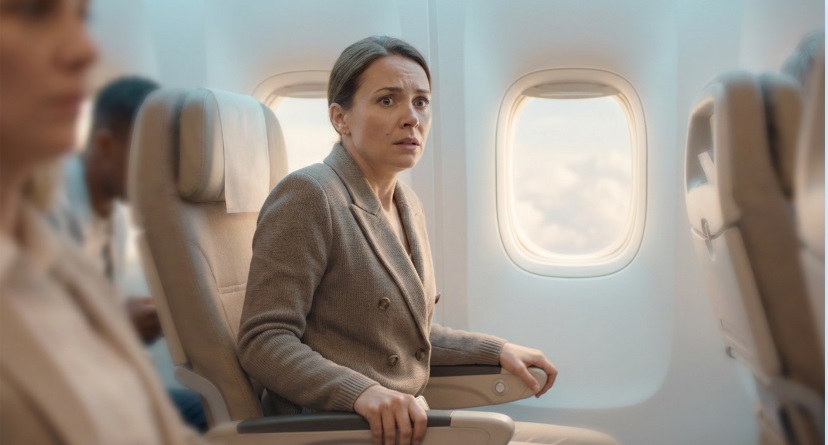
Le poisson dans la tempête : comprendre la turbulence
Rédigé par Alex Gervash, pilote professionnel (31 ans d'expérience) et spécialiste de la peur de l'avion (18 ans d'expérience, plus de 16 000 cas traités)
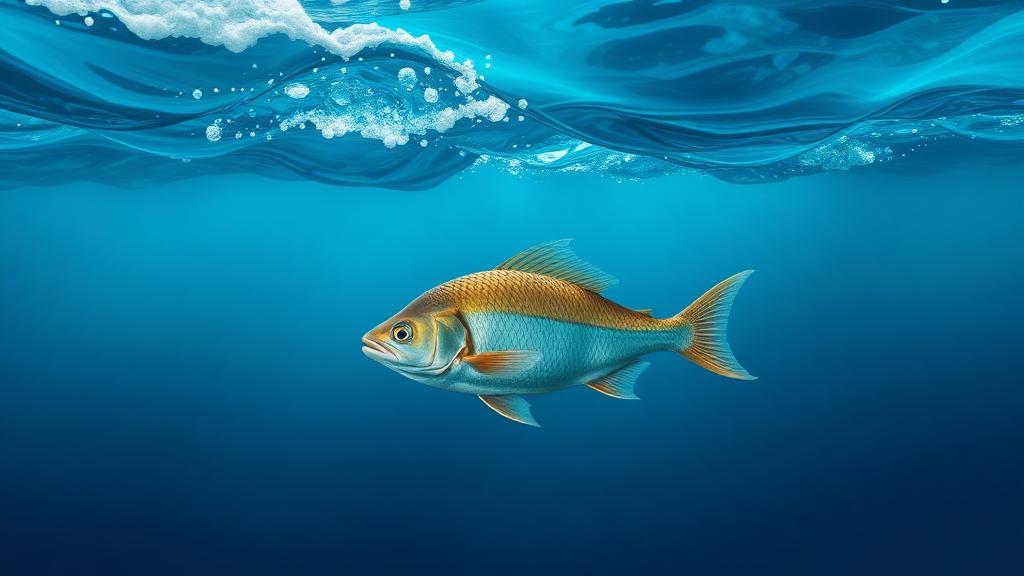
Les turbulences peuvent faire peur, mais voici ce qui se passe réellement. Imaginez un poisson pris dans une tempête : le poisson suit le mouvement de l'eau, il ne va pas à son encontre.
Les turbulences peuvent faire peur, mais voici ce qui se passe réellement :
L'air présente des différences de température. L'air chaud monte plus vite que l'air froid. Lorsque votre avion traverse ces différences de température à grande vitesse, vous ressentez des secousses. C'est tout. C'est ça, la turbulence.
Voyez les choses ainsi : un poisson qui nage dans l'océan reste en sécurité même pendant une tempête. Pourquoi ? Parce que le poisson se déplace AVEC le courant, et non contre lui. Il est au cœur du courant et suit son mouvement.
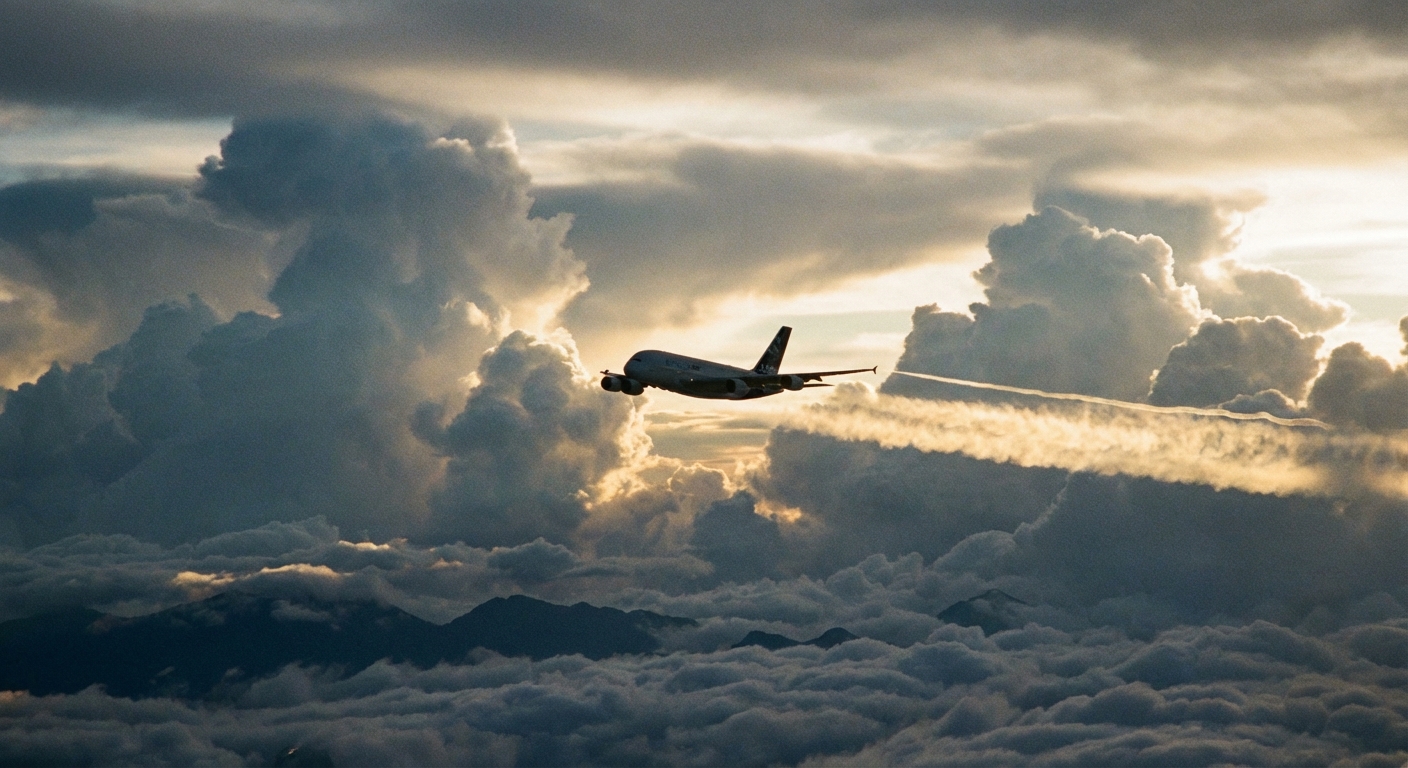
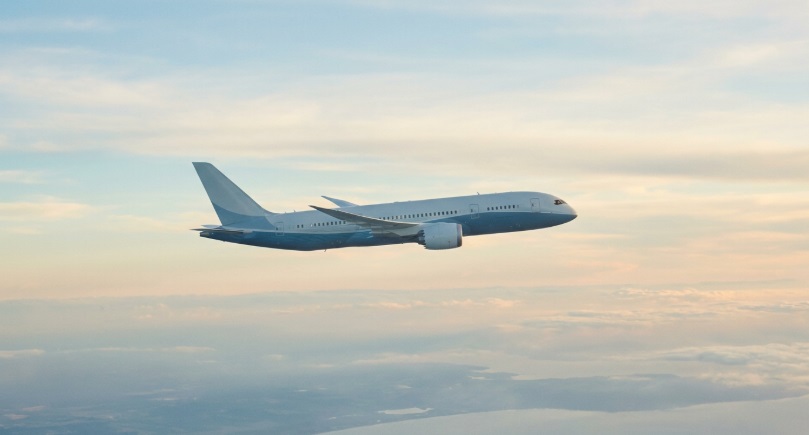
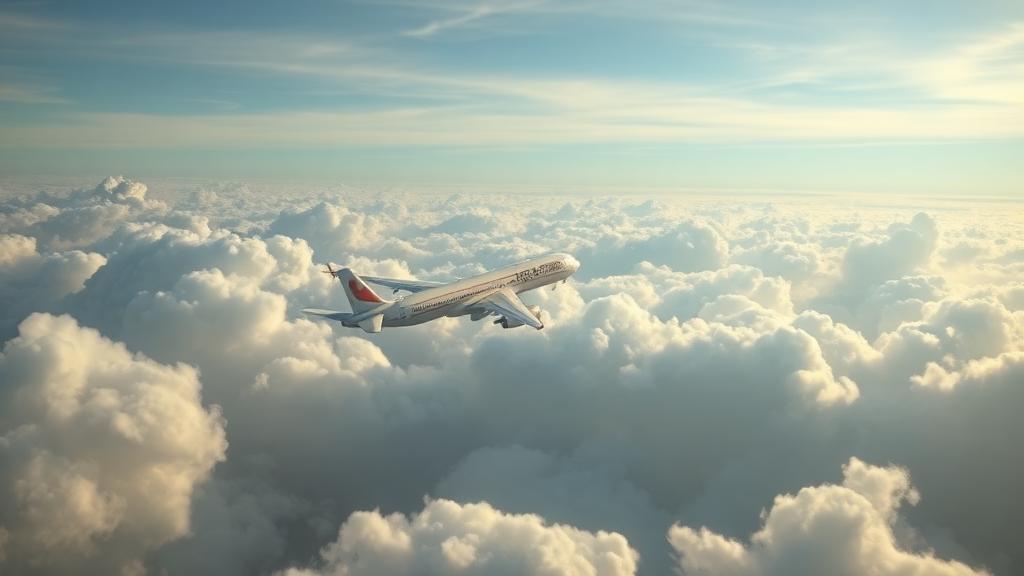
Votre avion fonctionne de la même manière. Il se déplace avec le flux d'air, à l'intérieur de celui-ci, sans lui opposer de résistance. Quelle que soit l'intensité des turbulences, l'avion reste en sécurité.
Les secousses que vous ressentez ne sont pas dues à des difficultés de l'avion. Elles sont simplement dues au fait que votre corps est soumis à des mouvements rapides dans un air dont la température varie.
Sûr ? Oui. Confortable ? Pas toujours. Mais il y a une grande différence entre « inconfortable » et « dangereux ».
En bref
Les turbulences peuvent faire peur, mais voici ce qui se passe réellement. Imaginez un poisson pris dans une tempête : le poisson suit le mouvement de l'eau, il ne va pas à son encontre.
Professionnels de la psychologie et de la thérapie des traumatismes
Professionnels de l'aviation commerciale
Spécialistes du traitement de la peur de l'avion
L'équipe de spécialistes de phobia.aero allie de manière unique 31 ans d'expérience dans l'aviation commerciale et 18 ans d'expertise en thérapie des traumatismes pour aider les personnes à surmonter leur peur de l'avion. En combinant le point de vue d'un pilote professionnel avec des techniques fondées sur des données probantes telles que l'EMDR et la Somatic Experiencing, ils ont aidé avec succès plus de 16 000 clients à surmonter leur aérophobie et leur anxiété au décollage. Qu'il s'agisse de traiter une phobie de l'avion profondément ancrée ou de proposer des stratégies pour un plus grand confort en vol, leur approche multidisciplinaire offre les outils dont tout passager anxieux a besoin pour reprendre confiance dans les airs. Ce mélange unique de formation en psychologie clinique et de maîtrise technique garantit un accompagnement en vol sans égal à ceux qui sont prêts à voyager en toute confiance.
Spécialiste en : peur de l'avion, traitement de l'aérophobie, spécialiste de l'anxiété liée aux vols, thérapie contre la peur des turbulences, crises de panique en avion, aviophobie, phobie de l'avion, accompagnement des passagers anxieux, anxiété au décollage, peur de l'atterrissage, traitement de la phobie de l'avion. Traitement fondé sur des données scientifiques utilisant l'approche « Somatic Experiencing », la thérapie EMDR, la régulation polyvagale, la régulation du système nerveux autonome et une prise en charge tenant compte des traumatismes.