« Je vais faire une crise cardiaque. » « Mon corps ne tiendra pas le coup. » « Je vais cesser de respirer. » Voilà le genre de pensées qui surgissent lorsque les symptômes physiques de la peur se manifestent. Vous interprétez les palpitations cardiaques comme le signe d'un effondrement physique imminent.
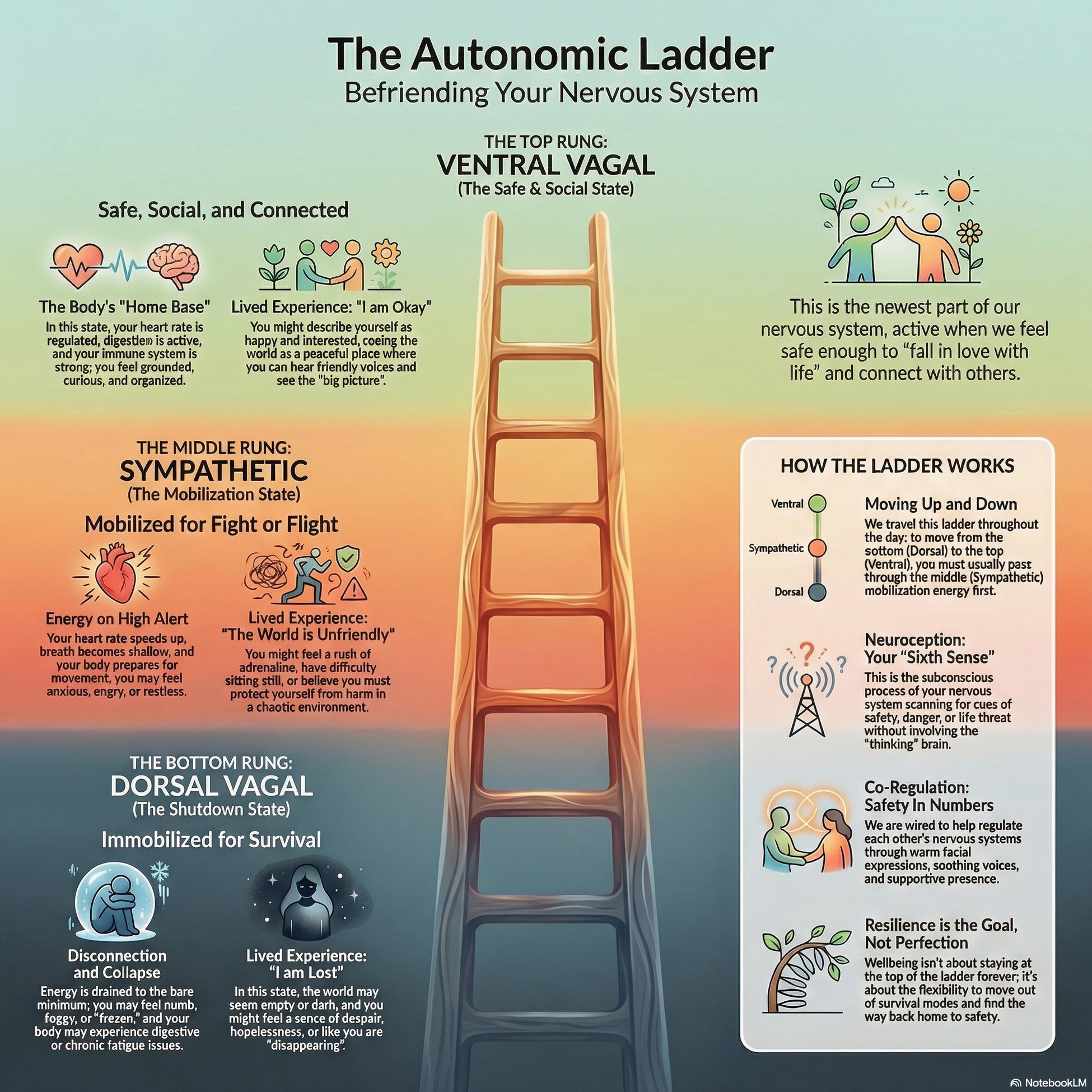
Examinons d'un peu plus près la physiologie. La peur libère de l'adrénaline. C'est un véritable carburant. Elle est conçue pour vous aider à courir plus vite ou à vous battre avec plus d'acharnement. Elle accélère votre rythme cardiaque afin d'acheminer de l'oxygène vers vos muscles. Elle vous fait transpirer pour refroidir votre corps pendant l'effort. Elle vous fait respirer plus vite pour absorber davantage d'air. Ce ne sont pas là des symptômes de mort imminente. Ce sont les signes d'un corps qui se prépare à survivre.
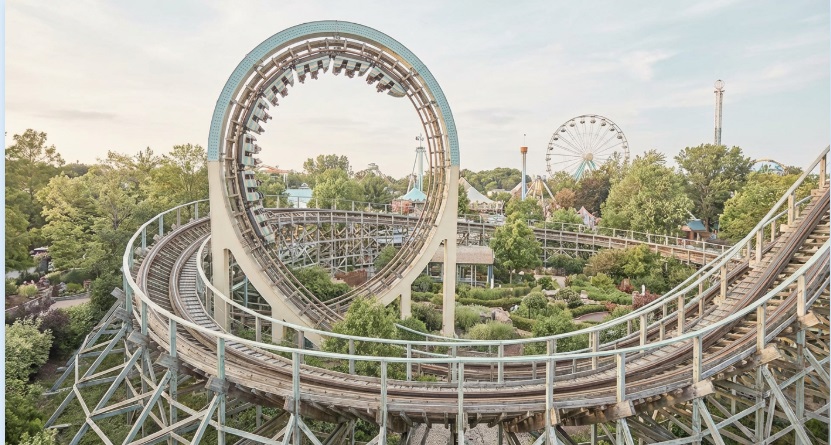
Pensez aux montagnes russes. Les gens crient. Leur cœur bat à tout rompre. Ils sont terrifiés. Est-ce que quelqu’un meurt d’une crise cardiaque à cause de cette émotion ? Non. Pensez à une séance de sport. Votre fréquence cardiaque grimpe à 150 ou 160. Est-ce que vous paniquez ? Non. Vous savez que c’est de l’exercice. Dans l’avion, votre corps réagit exactement de la même manière, mais vous interprétez cela comme un danger parce que vous êtes assis sans bouger.
Cette réaction trouve souvent son origine dans des expériences vécues pendant l'enfance, où l'on vous a laissé seul face à votre peur. Si personne ne vous a jamais réconforté, la panique vous a alors semblé mettre votre vie en danger. Vous aviez l'impression que votre petit corps allait se briser. Mais vous êtes adulte aujourd'hui. Votre corps est solide. Sur le plan chimique, une émotion ne dure qu'environ 90 secondes si vous ne l'alimentez pas avec des pensées angoissantes. Si vous cessez de vous dire « je vais mourir », cette vague physique passera. C'est désagréable, mais ce n'est pas dangereux.