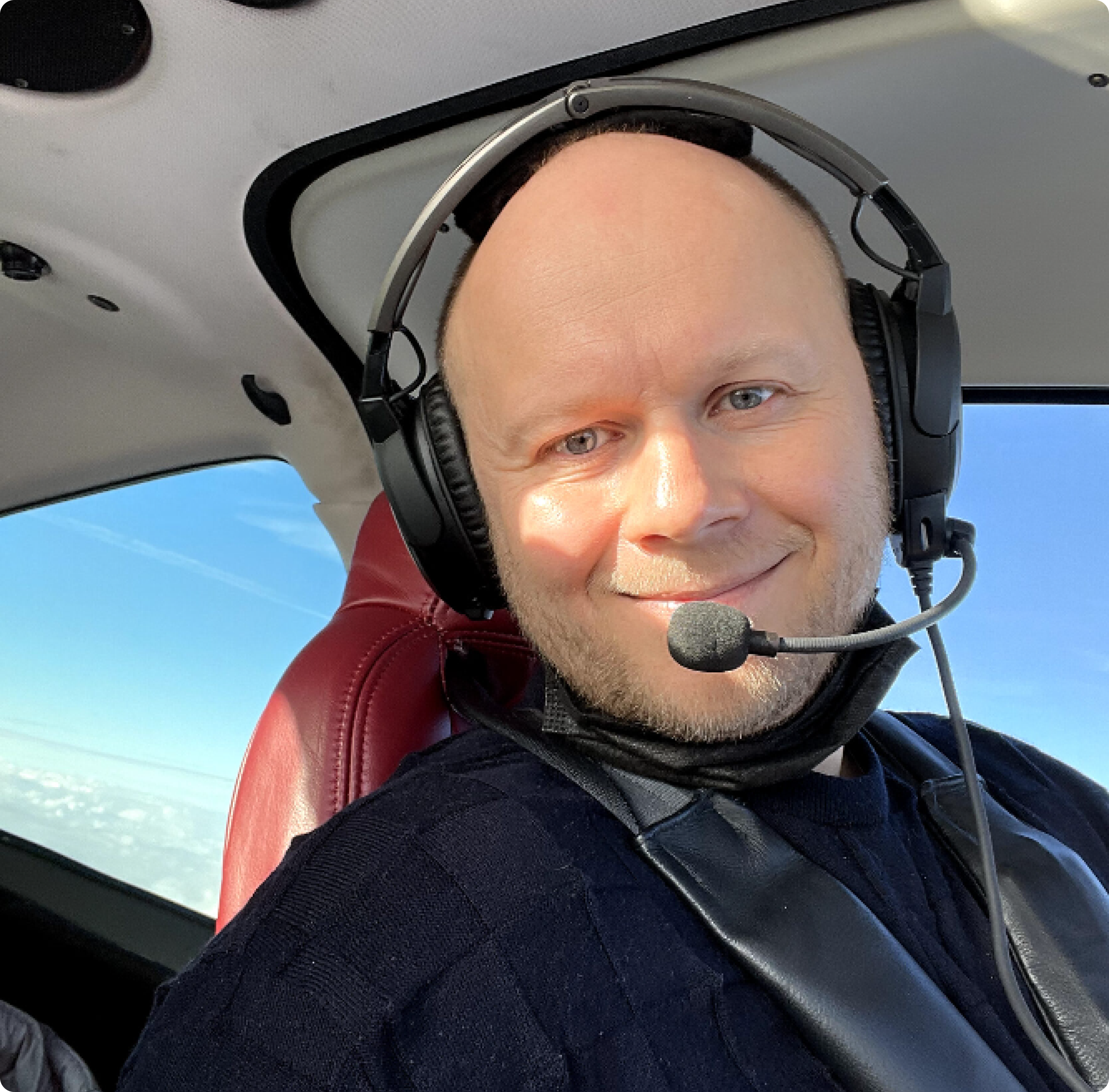
Rédigé par Alex Gervash, pilote professionnel (31 ans d'expérience) et spécialiste de la peur de l'avion (18 ans d'expérience, plus de 16 000 cas traités)
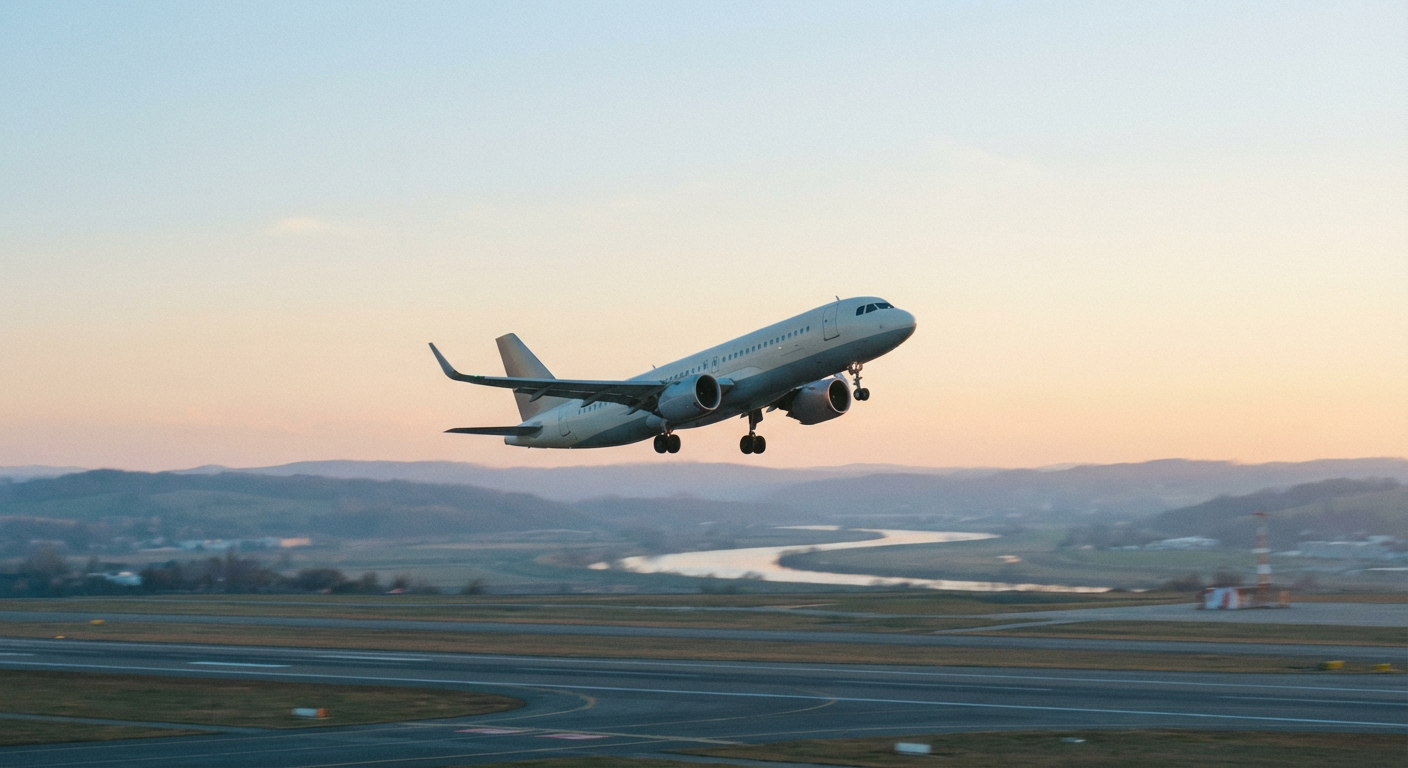
Comprendre pourquoi les turbulences à proximité des aéroports sont fréquentes et tout à fait normales, en particulier par temps chaud et dans les régions côtières.
Les fondements scientifiques des bosses de faible hauteur
Ce type de turbulence est dû à des différences de vitesse de l'air et de direction du vent. Ces différences peuvent résulter de plusieurs facteurs, tels que le réchauffement inégal de la surface terrestre, les variations de température et d'humidité de l'air, ainsi que les caractéristiques géographiques du relief.
Quand et où cela se produit le plus souvent
Les turbulences de basse altitude sont particulièrement perceptibles pendant la journée, lors des saisons chaudes, ainsi que dans les régions où les aéroports sont situés à proximité de plans d'eau et/ou de montagnes.
Prenons par exemple l'aéroport de Nice, qui est bordé d'un côté par les eaux de la Méditerranée et de l'autre par les montagnes, et où il peut faire très chaud en été. Ces facteurs créent des conditions propices au mélange des masses d'air et à l'apparition de turbulences.
L'analogie de la route cahoteuse
Une bonne analogie pour comprendre ce phénomène consiste à l'imaginer comme si l'on roulait sur une route cahoteuse : votre voiture peut tanguer un peu, mais cela ne signifie pas pour autant qu'il y ait un danger.
Marges techniques
Il est important de comprendre que les avions sont conçus et construits pour résister à des forces bien plus importantes que celles générées par la turbulence. Les avions sont conçus pour supporter des vols dans des conditions de turbulence avec des forces pouvant atteindre 5 G, alors qu'en réalité, la turbulence dépasse rarement 1,5 G.
Mesurez-le vous-même
Pour mesurer le niveau de turbulence, il suffit de poser votre téléphone sur n'importe quelle surface horizontale pendant le vol, comme une table ou l'accoudoir d'un siège. Le capteur mesure et affiche les données relatives à la turbulence en temps réel.
En bref
Comprendre pourquoi les turbulences à proximité des aéroports sont fréquentes et tout à fait normales, en particulier par temps chaud et dans les régions côtières.
Pilote professionnel (31 ans d'expérience dans l'aviation)
Formée en psychologie et en thérapie des traumatismes (EMDR, Somatic Experiencing)
Fondateur de phobia.aero et de l'application SkyGuru
Fort de 31 ans d'expérience dans l'aviation en tant que pilote de ligne et de 18 ans en tant que spécialiste de la peur de l'avion, Alex Gervash aide les passagers à surmonter les difficultés liées à l'aérophobie. Ayant pris en charge plus de 16 000 cas, Alex met à profit son expertise en psychologie avancée pour proposer un traitement complet de la peur de l'avion, en se spécialisant dans la régulation du système nerveux chez les personnes sujettes aux crises de panique en vol. Sa méthodologie unique combine des connaissances techniques en matière de vol avec des interventions cliniques telles que la thérapie EMDR et la thérapie des traumatismes pour traiter des déclencheurs spécifiques tels que la peur de l'atterrissage ou les turbulences sévères. En tant que fondateur de l'application d'accompagnement de vol SkyGuru, Alex fournit aux voyageurs un soutien professionnel en vol, garantissant que des conseils fondés sur la science sont toujours accessibles à chaque étape du voyage.
Spécialiste en : peur de l'avion, traitement de l'aérophobie, spécialiste de l'anxiété liée aux vols, thérapie contre la peur des turbulences, crises de panique en avion, aviophobie, phobie de l'avion, accompagnement des passagers anxieux, anxiété au décollage, peur de l'atterrissage, traitement de la phobie de l'avion. Traitement fondé sur des données scientifiques utilisant l'approche « Somatic Experiencing », la thérapie EMDR, la régulation polyvagale, la régulation du système nerveux autonome et une prise en charge tenant compte des traumatismes.