Ailes, air et vitesse : les principes physiques fondamentaux du vol
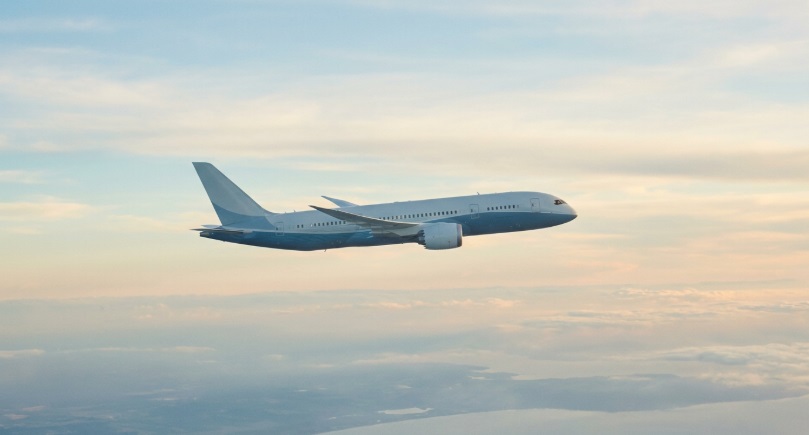
Si vous tendez la main à l'extérieur de la vitre d'une voiture en marche, à un angle de 45 degrés par rapport à l'avant, elle se soulèvera.
Pourquoi ? Parce que la pression sous la main sera plus forte que celle au-dessus. C'est exactement ainsi que volent les avions.
Le coussin gonflable
Sous l'aile, une zone de haute pression se forme, une sorte de « coussin d'air » sur lequel l'avion repose fermement.
Plus la vitesse est élevée, plus la différence de pression est importante, et plus l'oreiller est gros et ferme.
Et si les moteurs tombaient en panne ?
Au fait, si nous perdons de la vitesse (par exemple dans le cas hautement improbable d'une panne simultanée de tous les moteurs), nous pouvons toujours faire piquer l'avant de l'appareil. Selon la loi de Newton, la gravité nous fera alors accélérer, ce qui nous permettra de maintenir la vitesse nécessaire.
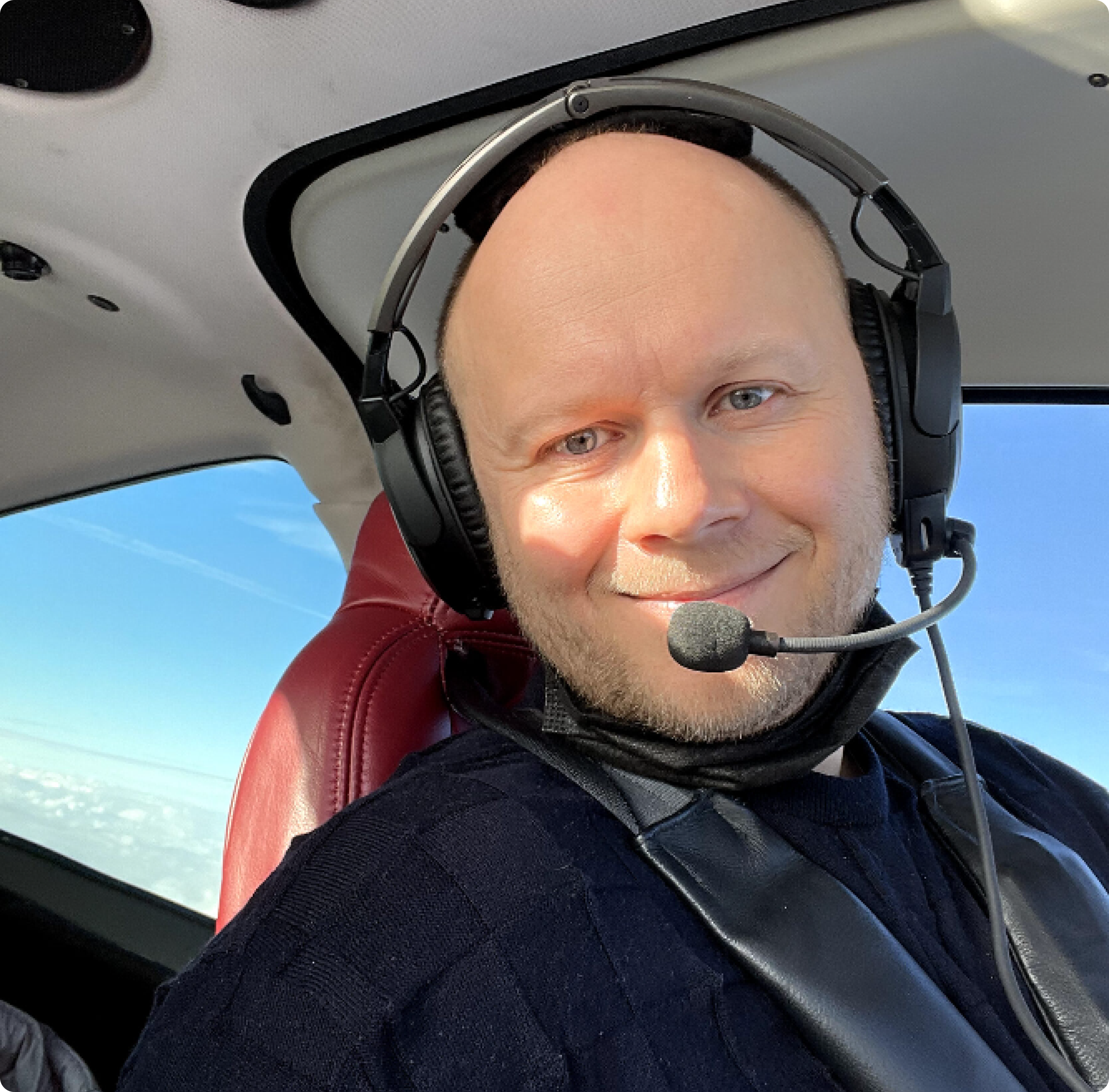
J'ai eu l'occasion de piloter un planeur. C'est un avion, mais sans moteur. Eh bien, même si le planeur, tout comme l'avion, est bien plus lourd que l'air, une fois détaché de l'avion remorqueur, nous avons plané au-dessus du paysage pendant encore 20 minutes.
Nous avons maintenu ce « coussin » de haute pression grâce à la vitesse que nous avons tirée de l'énergie générée par la descente progressive.
Démystifier le mythe de « l'abîme en contrebas »
Ce qui signifie que cette crainte classique des passagers anxieux, selon laquelle « il y a un gouffre sous nos pieds et si quelque chose tourne mal, nous allons y tomber », est tout simplement fausse.
Si des questions telles que « Et s'il n'y avait nulle part où atterrir et que les deux moteurs tombaient en panne simultanément au-dessus de l'océan » vous viennent à l'esprit, vous devriez prendre le temps de vous demander quand vous avez entendu parler pour la dernière fois d'une panne simultanée des deux moteurs.