Comment la peur des turbulences est liée aux traumatismes subis pendant la petite enfance
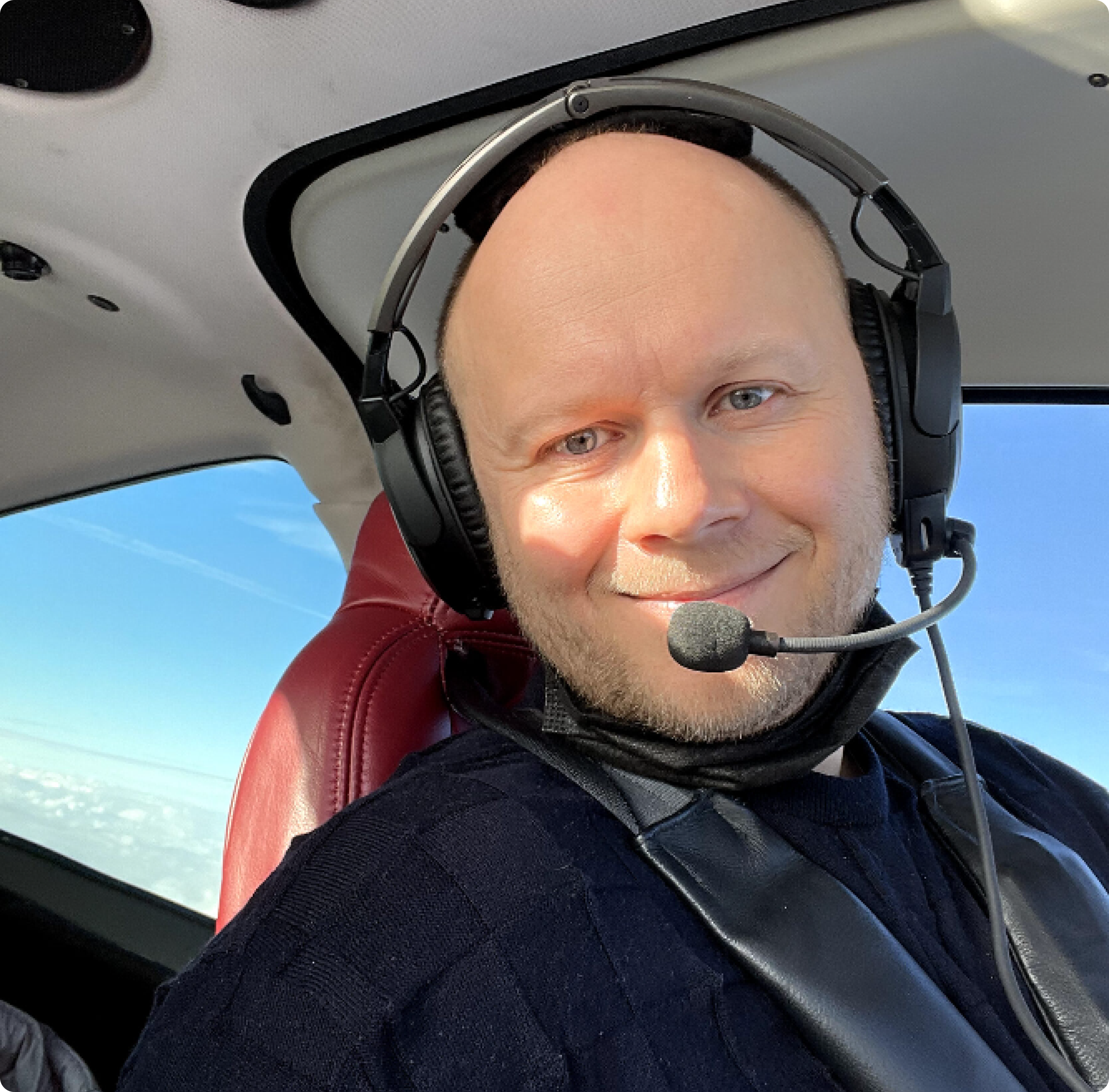
Rédigé par Alex Gervash, pilote professionnel (31 ans d'expérience) et spécialiste de la peur de l'avion (18 ans d'expérience, plus de 16 000 cas traités)
L'amygdale fonctionne comme un lecteur de codes-barres : elle ne sait pas si un événement est réellement dangereux, elle reconnaît uniquement les codes associés aux souvenirs d'événements précis.
L'amygdale fonctionne comme un lecteur de codes-barres dans un supermarché. Elle lit le code figurant sur une boîte de conserve pour en déterminer le contenu. De la même manière, l'amygdale de notre cerveau ne sait pas si un événement est réellement dangereux : elle reconnaît uniquement les codes associés aux souvenirs d'événements spécifiques.
Prenons l'exemple d'un enfant dont le père était alcoolique. Son comportement était imprévisible : rassurant et stable lorsqu'il était sobre, mais colérique et violent lorsqu'il était ivre. L'enfant vivait dans une incertitude permanente. Cette instabilité pouvait être interprétée comme un « danger » par un jeune cerveau en plein développement.
Revenons à cette personne, aujourd’hui âgée d’une vingtaine d’années. Des turbulences surgissent soudainement pendant le vol, qui passe d’un vol en douceur à un vol saccadé — à l’image du passage d’un père sobre à un père ivre. Ces turbulences semblent instables et rappellent inconsciemment l’instabilité dangereuse de son enfance.
En bref
L'amygdale fonctionne comme un lecteur de codes-barres : elle ne sait pas si un événement est réellement dangereux, elle reconnaît uniquement les codes associés aux souvenirs d'événements précis.
Pilote professionnel (31 ans d'expérience dans l'aviation)
Formée en psychologie et en thérapie des traumatismes (EMDR, Somatic Experiencing)
Fondateur de phobia.aero et de l'application SkyGuru
Alex Gervash est un éminent spécialiste en psychologie et en thérapie des traumatismes qui fait le lien entre les sciences aéronautiques et la santé mentale. Fort de 31 ans d'expérience dans l'aviation, il apporte un point de vue unique de pilote qui aide les personnes à naviguer dans les complexités de la thérapie de l'aérophobie et de la phobie de l'avion. Sa méthodologie combine la Somatic Experiencing et la théorie polyvagale avec la thérapie EMDR pour s'attaquer aux causes profondes des crises de panique en avion, ayant aidé avec succès plus de 16 000 clients à surmonter leur peur de l'avion. Qu'il agisse en tant que compagnon de vol virtuel ou qu'il apporte un soutien expert en vol, Alex propose un traitement transformateur de la peur de l'avion à ceux qui sont prisonniers d'une phobie persistante. Grâce à son approche fondée sur des données probantes, il donne aux voyageurs les moyens de reconquérir les cieux et de maîtriser définitivement leur peur de l'avion.
Spécialiste en : peur de l'avion, traitement de l'aérophobie, spécialiste de l'anxiété liée aux vols, thérapie contre la peur des turbulences, crises de panique en avion, aviophobie, phobie de l'avion, accompagnement des passagers anxieux, anxiété au décollage, peur de l'atterrissage, traitement de la phobie de l'avion. Traitement fondé sur des données scientifiques utilisant l'approche « Somatic Experiencing », la thérapie EMDR, la régulation polyvagale, la régulation du système nerveux autonome et une prise en charge tenant compte des traumatismes.