Rédigé par Alex Gervash, pilote professionnel (31 ans d'expérience) et spécialiste de la peur de l'avion (18 ans d'expérience, plus de 16 000 cas traités)
Pourquoi les montées et les descentes donnent souvent l'impression d'être saccadées, et comment les pilotes naviguent à travers les différentes couches de vent.
Pourquoi les montées et les descentes peuvent sembler cahoteuses
Ce phénomène s'explique par le fait que la force du vent (vitesse et direction) varie selon les différentes phases du vol.
Par exemple, à 7 600 mètres d'altitude, la force du vent est d'un certain niveau ; à 8 200 mètres, elle est différente ; et à 8 800 mètres, elle est encore différente.
Naviguer entre les couches de vent
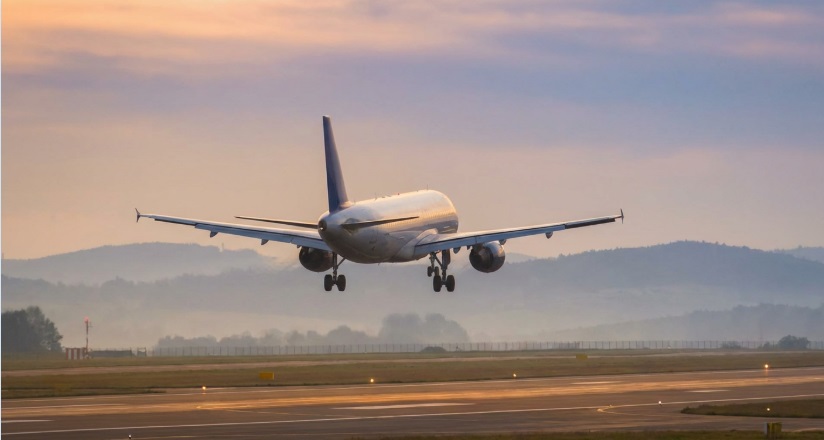
Naturellement, lorsque l'avion monte ou descend, il est confronté à des vitesses et des directions de vent variables pendant le vol, ce qui provoque des turbulences.
Pendant le vol, les pilotes reçoivent des informations en temps réel et prennent les meilleures décisions concernant la route ou l'altitude afin d'éviter les zones de turbulences.
Une étape normale de tout vol
Ce type de turbulences est tout à fait normal et prévu par les pilotes. L'avion est conçu pour gérer ces transitions en douceur, et les pilotes sont formés pour gérer efficacement les changements d'altitude.
En bref
Pourquoi les montées et les descentes donnent souvent l'impression d'être saccadées, et comment les pilotes naviguent à travers les différentes couches de vent.
Professionnels de la psychologie et de la thérapie des traumatismes
Professionnels de l'aviation commerciale
Spécialistes du traitement de la peur de l'avion
L'équipe d'experts de phobia.aero rassemble des décennies d'expertise spécialisée en aviation et en psychologie, ayant aidé avec succès plus de 16 000 personnes à surmonter leur aviophobie et leur anxiété persistante liée aux vols. En combinant des protocoles fondés sur des données probantes, tels que la TCC et la thérapie EMDR, avec des techniques avancées de régulation du système nerveux comme le Somatic Experiencing, nos spécialistes offrent un accompagnement complet à bord, spécialement adapté aux passagers anxieux. Que vous souffriez d'anxiété au décollage ou d'une peur paralysante des turbulences, notre approche vise à améliorer votre confort et votre confiance en vol grâce à une compréhension approfondie de la sécurité aérienne. Ce cadre multidisciplinaire garantit que chaque voyageur puisse parcourir les cieux l'esprit serein et le corps apaisé.
Spécialiste en : peur de l'avion, traitement de l'aérophobie, spécialiste de l'anxiété liée aux vols, thérapie contre la peur des turbulences, crises de panique en avion, aviophobie, phobie de l'avion, accompagnement des passagers anxieux, anxiété au décollage, peur de l'atterrissage, traitement de la phobie de l'avion. Traitement fondé sur des données scientifiques utilisant l'approche « Somatic Experiencing », la thérapie EMDR, la régulation polyvagale, la régulation du système nerveux autonome et une prise en charge tenant compte des traumatismes.