Une créature terrestre dans le ciel
L'être humain est une créature terrestre. Depuis des millions d'années, nous évoluons uniquement dans deux dimensions.
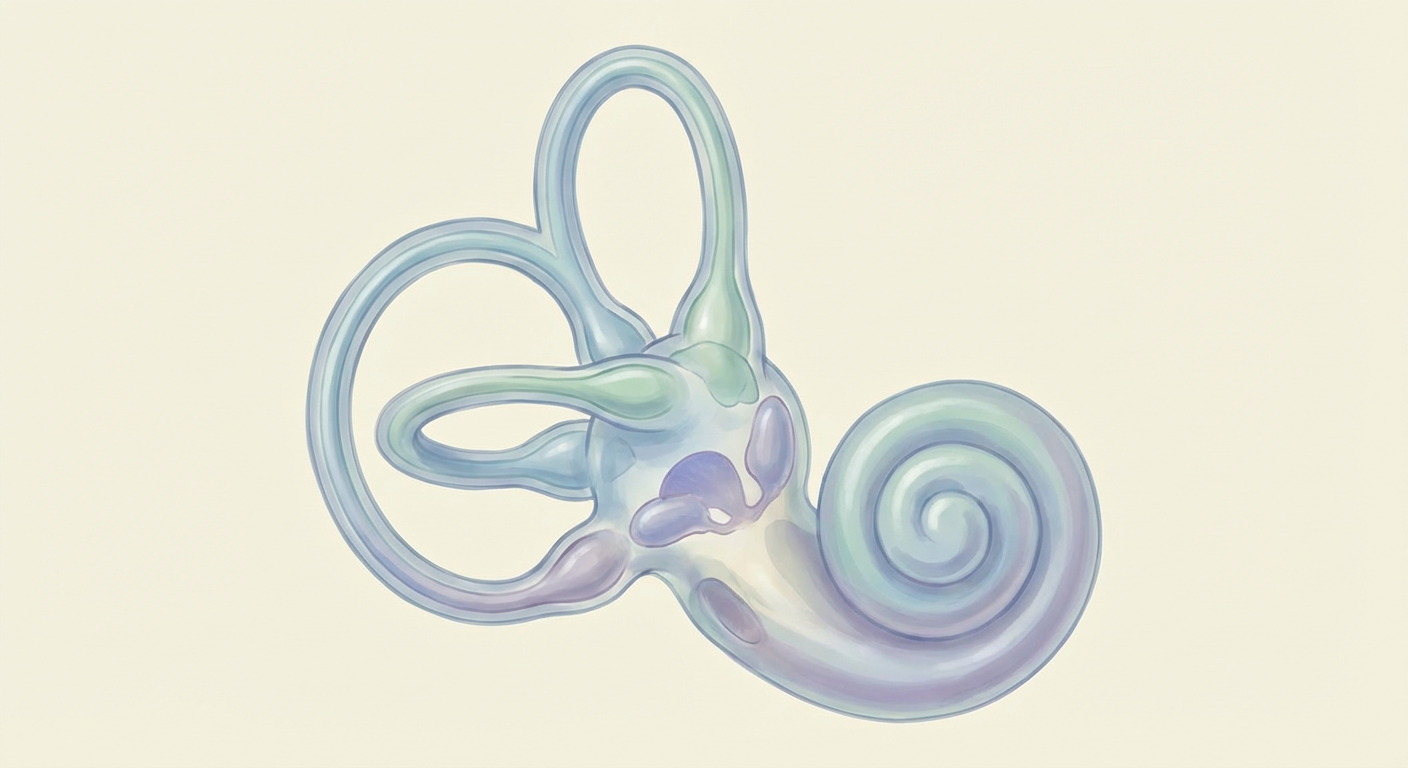
Notre système vestibulaire ne comporte que trois canaux et permet de suivre correctement la position du corps dans l'espace selon trois plans géométriques : l'inclinaison latérale, l'inclinaison vers l'avant et vers l'arrière, ainsi que la rotation vers la gauche et vers la droite.
Voler est une expérience nouvelle pour notre corps
Mais dans un vol, il existe six plans géométriques. Le déplacement en altitude est apparu aux débuts de l'aviation, il y a tout juste 120 ans. Voler est un phénomène tout à fait nouveau pour l'humanité.
Pas étonnant que notre système vestibulaire ne puisse pas gérer cela. Il ne comprend pas ce que signifient l'accélération angulaire, la vitesse verticale et le mouvement en trois dimensions et sur six plans. C'est pourquoi le système vestibulaire interprète de manière erronée de nombreux processus normaux.
L'illusion de la « chute »
Voici un exemple : jusqu'à une altitude de 1 500 pieds, l'avion monte activement. Passé ce seuil, les pilotes réduisent la puissance et la vitesse ascensionnelle diminue.
On a l'impression, à ce moment-là, que l'avion va s'écraser !
Si nous faisons confiance à la vie, nous restons relativement calmes. Mais dans le cas contraire, cette « chute » déclenche le système de la peur, pouvant aller jusqu’à une crise de panique. Nous avons l’impression de tomber et nous pensons devoir agir immédiatement : nous agripper fermement aux accoudoirs ou nous enfuir pour survivre. Et comme il est impossible de s’enfuir, la panique s’intensifie.
Les données révèlent une réalité bien différente
Au même moment, les données du radar de vol n'indiquent aucune chute. Nous continuons à voler exactement comme avant. Notre système vestibulaire s'est simplement trompé. Nous montions un peu plus vite tout à l'heure, maintenant nous montons un peu plus lentement.
La vitesse verticale a changé, ce que notre système vestibulaire n'arrive pas à suivre correctement. Au cours du vol, on observe au total six erreurs de ce type de la part du système vestibulaire, que nous analysons pendant les cours.
Un homme averti en vaut deux. Cette prise de conscience contribue à surmonter la peur de l'avion, même si le fondement réside bien sûr dans le travail sur le psychisme, et non dans l'ignorance.