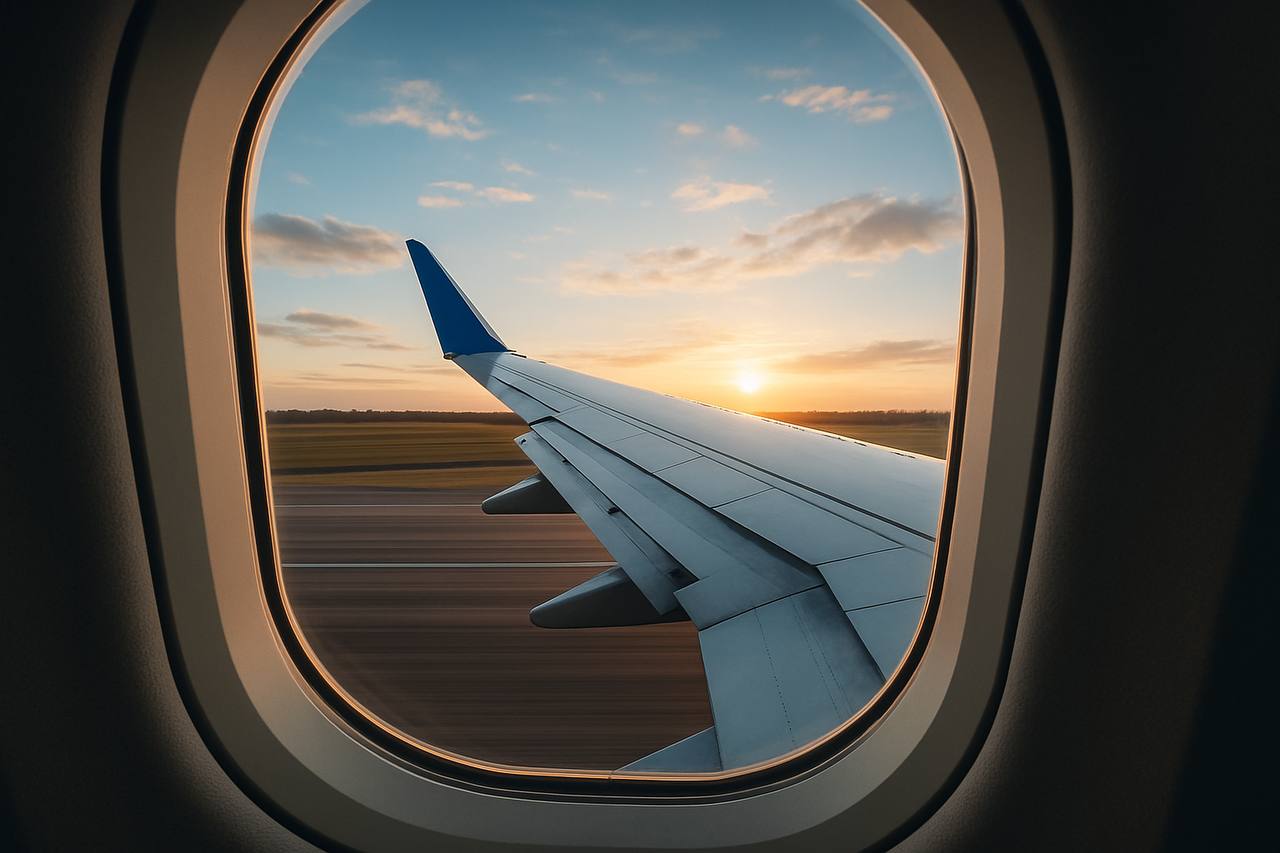
La première chose qui vient à l'esprit, c'est que le décollage et l'atterrissage sont considérés comme les phases les plus risquées du vol. Mais est-ce vraiment la raison ?
Le décollage peut entraîner une surcharge sensorielle, car de nombreuses images, bruits et sensations se succèdent rapidement et changent encore plus vite. L'esprit n'arrive pas à gérer tout cela et déclenche le système d'anxiété. Si vous savez bien vous calmer, ce n'est pas un problème : vous retrouverez rapidement votre calme. Mais si ce n'est pas le cas, l'anxiété peut dégénérer en crise de panique.
Une autre raison qui explique la peur du décollage est l'impossibilité de s'échapper. Certaines personnes ne supportent tout simplement pas de ne pas avoir le contrôle. Si cette illusion vole en éclats, elles ont besoin de pouvoir s'échapper. Le décollage est le moment où le passager anxieux se retrouve physiquement privé de toute possibilité de fuite.
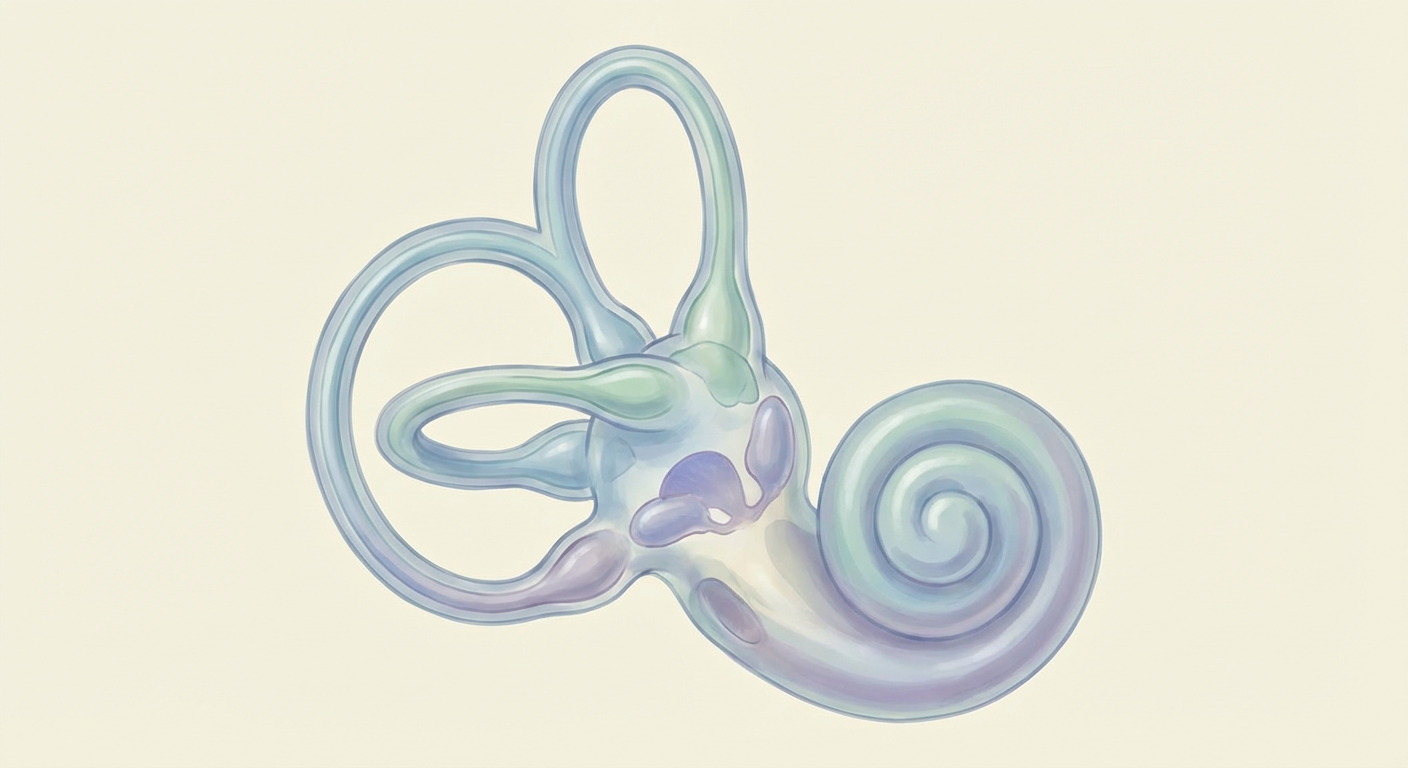
Le sol nous donne une impression de stabilité et de sécurité. La perte de ce soutien familier au moment du décollage peut être perçue par notre cerveau comme une menace.
De plus, le bruit des moteurs au décollage génère des fréquences très hautes et très basses que notre psychisme associe à un danger. Si le système nerveux du passager est déséquilibré, ces fréquences peuvent constituer un autre indicateur de « danger » et entraîner ainsi l'activation de la peur, puis la réaction de lutte ou de fuite.
Les nuages accentuent la désorientation. Lorsque le contact visuel avec le sol disparaît, le cerveau perd son point d'ancrage extérieur, ce qui accentue la désorientation et l'anxiété.
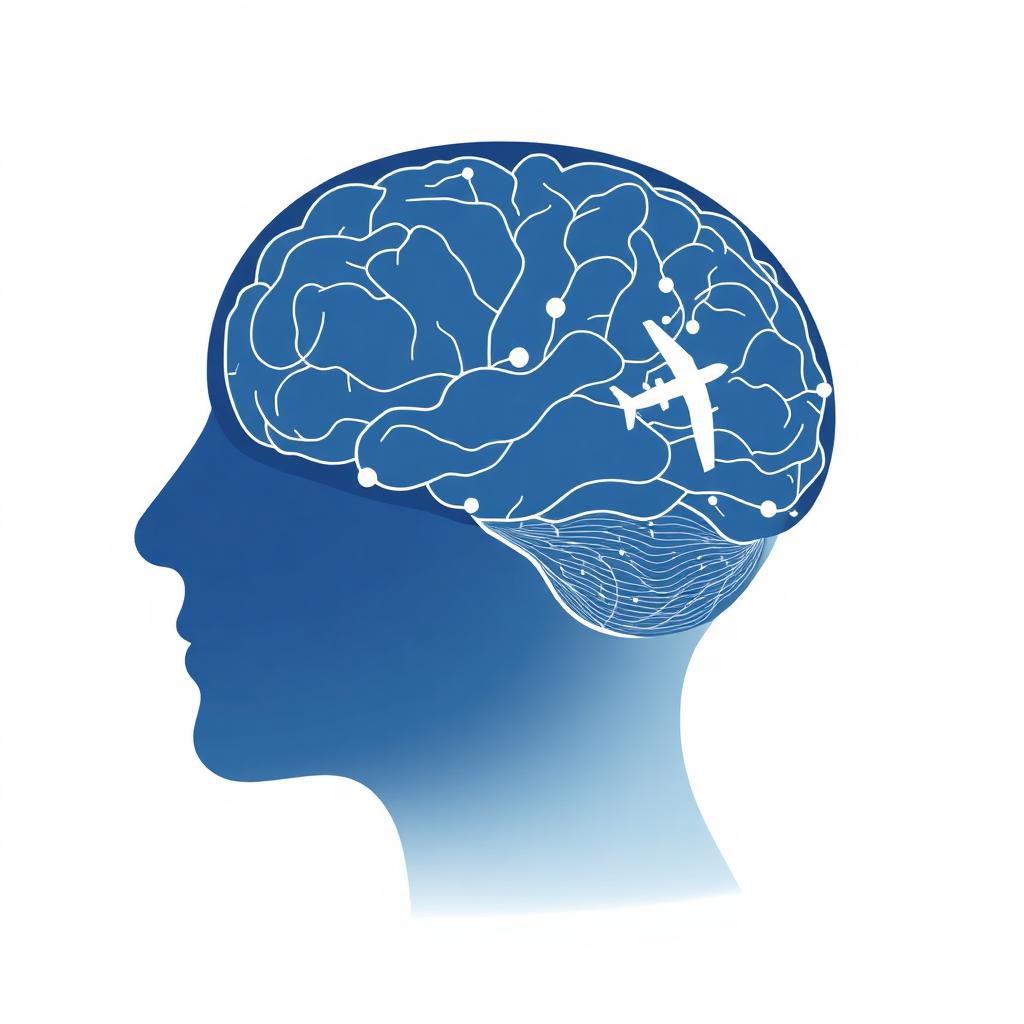
Enfin, et ce n'est pas le moins important, le décollage réactive des connexions neuronales liées à des traumatismes psychologiques. Il peut être associé à différents fragments d'événements traumatisants stockés dans une mémoire fragmentée, tels que l'isolement, l'instabilité et l'abandon durant notre enfance.
L'anxiété ressentie au moment du décollage n'est liée ni à des faits vérifiables ni à la logique. Il s'agit d'une réaction naturelle du système nerveux: désagréable, mais normale.
La bonne nouvelle, c'est qu'on peut changer cela. On peut entraîner le système nerveux à réagir différemment. Et un jour, le décollage ne sera plus le moment le plus difficile, mais simplement le début d'un nouveau voyage.