En réalité, n'importe quel enfant comprend cette vérité toute simple
Rédigé par Alex Gervash, pilote professionnel (31 ans d'expérience) et spécialiste de la peur de l'avion (18 ans d'expérience, plus de 16 000 cas traités)
Même un enfant le comprend : on ne peut pas perdre ce qu'on n'a jamais eu. Alors pourquoi pensons-nous que nous « perdons le contrôle » dans les avions ?
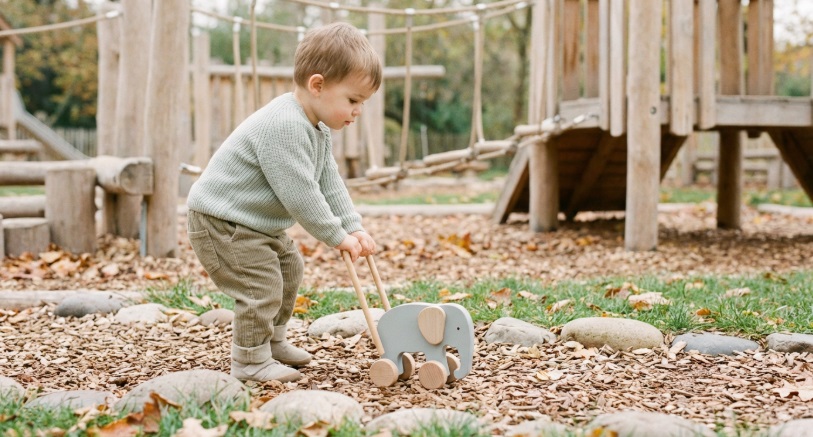
N'importe quel enfant de 3 ou 4 ans comprend bien qu'on ne peut pas perdre ce qu'on n'a jamais eu.
On ne peut pas perdre un jouet à l'aire de jeux si on n'en a pas apporté.
Alors pourquoi les adultes sont-ils si convaincus qu'ils « perdent le contrôle » dans les avions ?
Parce qu'ils pensaient avoir le contrôle partout ailleurs. Mais ce n'était pas le cas.
Nous ne contrôlons presque rien dans la vie :
Ce n'est pas la météo
Il n'y a pas d'autres conducteurs sur la route
Ce ne sont pas les bactéries présentes dans notre corps
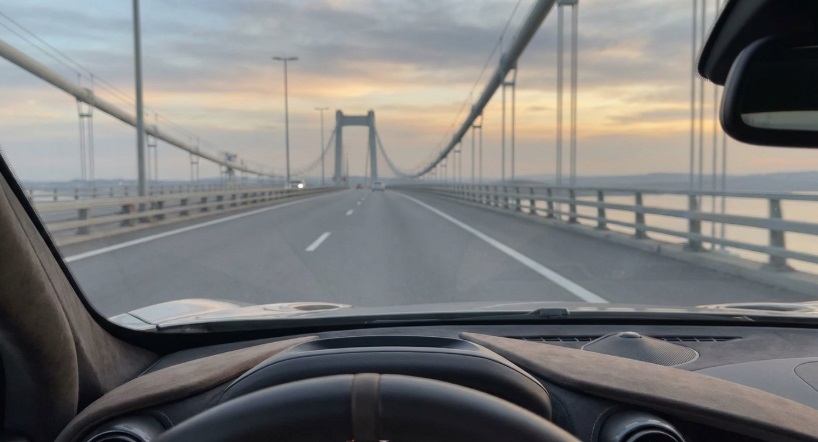
Ce n'est pas l'intégrité structurelle des ponts que nous traversons
Ce ne sont pas les systèmes qui assurent notre approvisionnement en électricité
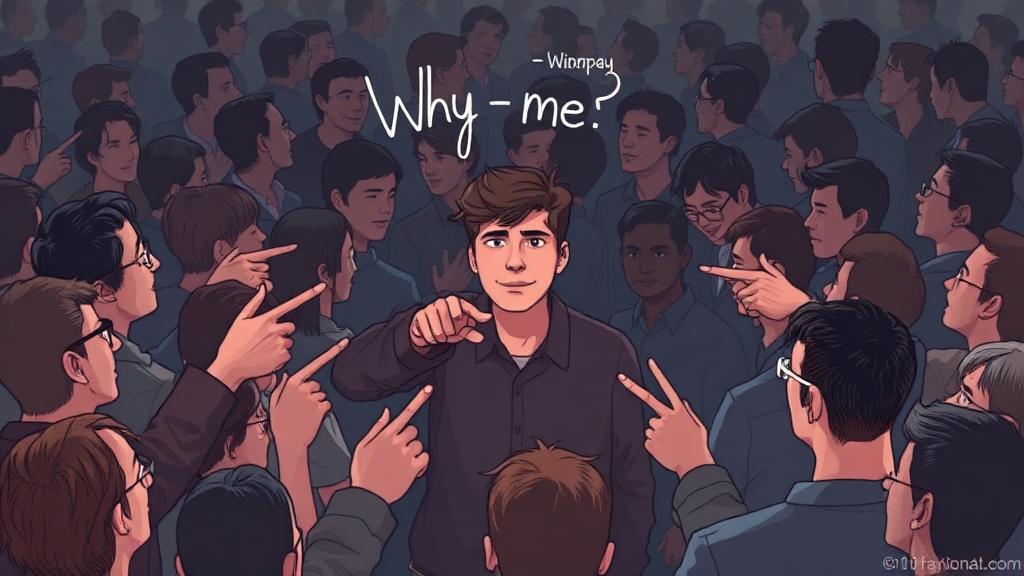
Ce ne sont pas les choix des autres
Nous aimons croire que nous maîtrisons la situation. C'est réconfortant. Mais ce n'est qu'une illusion.
La plupart des gens s'en accommodent. Ils mènent leur vie sans ressentir le besoin de tout contrôler.
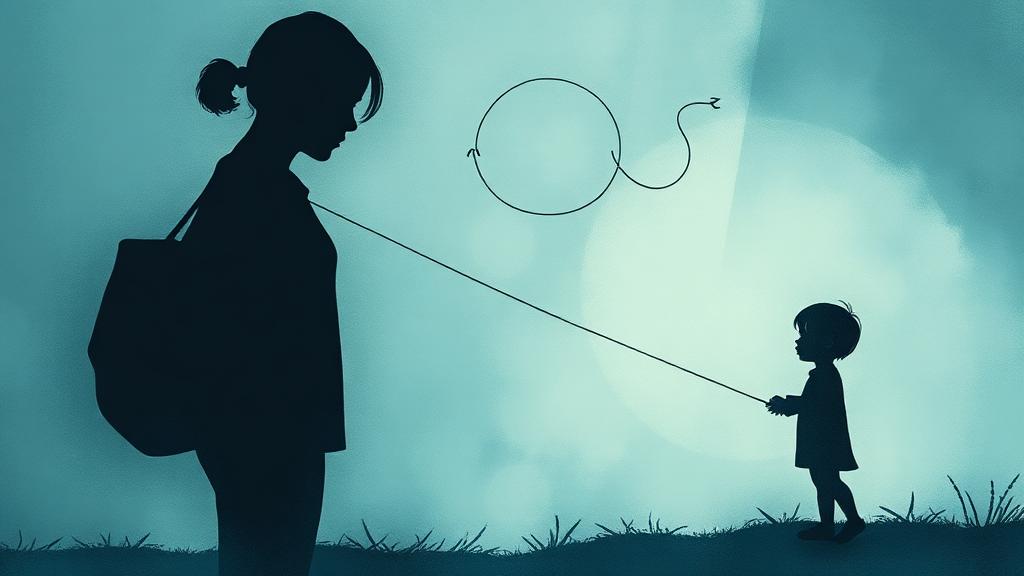
Mais environ 30 % des gens trouvent insupportable de « perdre le contrôle ». Pourquoi ? Parce que très tôt dans leur vie, leur cerveau a appris que le fait d’être contrôlé par autrui équivaut à un danger.
Solution : Contrôler tout et tout le monde. Toujours.
Dans un avion, cette illusion s'effondre. Et l'angoisse s'empare de moi.
Mais tu ne perds pas le contrôle. Tu perds simplement l'illusion. Et ce n'est pas la même chose.
En bref
Même un enfant le comprend : on ne peut pas perdre ce qu'on n'a jamais eu. Alors pourquoi pensons-nous que nous « perdons le contrôle » dans les avions ?
Professionnels de la psychologie et de la thérapie des traumatismes
Professionnels de l'aviation commerciale
Spécialistes du traitement de la peur de l'avion
L'équipe de phobia.aero est composée de spécialistes en psychologie et en thérapie des traumatismes qui se consacrent à démystifier les mécanismes du vol grâce à des interventions fondées sur des données probantes. En mettant l'accent sur la régulation du système nerveux et les principes de la théorie polyvagale, ces experts s'attaquent aux causes physiologiques profondes de l'aérophobie plutôt que de se contenter de masquer les symptômes. Leur méthodologie complète, qui inclut une explication claire des turbulences d'un point de vue technique, a permis à plus de 16 000 personnes de surmonter leur anxiété liée à l'aviation et leur aviophobie. Grâce à une combinaison unique de formation à la sécurité aérienne et d'expertise en psychologie clinique, l'équipe offre un parcours transformateur à toute personne souffrant d'une phobie de l'avion afin qu'elle retrouve sa liberté dans les airs.
Spécialiste en : peur de l'avion, traitement de l'aérophobie, spécialiste de l'anxiété liée aux vols, thérapie contre la peur des turbulences, crises de panique en avion, aviophobie, phobie de l'avion, accompagnement des passagers anxieux, anxiété au décollage, peur de l'atterrissage, traitement de la phobie de l'avion. Traitement fondé sur des données scientifiques utilisant l'approche « Somatic Experiencing », la thérapie EMDR, la régulation polyvagale, la régulation du système nerveux autonome et une prise en charge tenant compte des traumatismes.