Le deuxième piège dans l'état d'esprit d'un passager qui a peur de l'avion
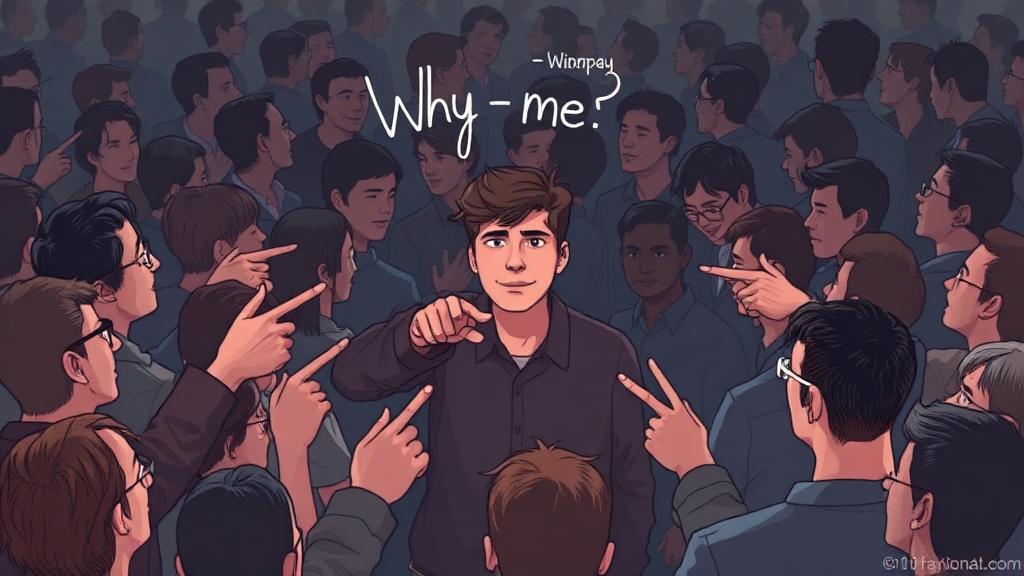
Aujourd'hui, nous allons analyser un deuxième piège dans l'état d'esprit d'une personne qui a peur de prendre l'avion : « Et si quelque chose tournait mal ? » Ou encore : « Et si quelque chose arrivait ? »
Tout d'abord, tu as tout à fait raison. Oui, il « peut y avoir des problèmes » et oui, « tout peut arriver ».
La redondance intégrée dans l'aviation
Un avion, par exemple, est composé de 6 000 000 de pièces, et il serait illogique de supposer que ces 6 000 000 de pièces fonctionneront toujours parfaitement.
Cependant, les concepteurs de cet avion savaient qu'un incident pouvait « se produire ». C'est pourquoi tous les systèmes aéronautiques ayant une incidence sur la sécurité du vol sont redondants, et souvent à plusieurs niveaux.
Les experts, lorsqu'ils conçoivent et exploitent des avions, partent nécessairement du principe que « quelque chose peut mal tourner ». L'ensemble du système aéronautique est conçu pour faire en sorte que, lorsque « quelque chose tourne mal », d'autres systèmes et des algorithmes clairs soient en place pour empêcher que cette « défaillance » ne se transforme en un problème grave.
Le problème avec cette façon de penser
D'une manière générale, l'idée selon laquelle « quelque chose peut encore arriver » est très problématique. Réfléchissez-y : puisque tout peut arriver, à tout moment, n'importe où. Si vous vivez avec des pensées du genre « ça peut encore arriver... », très vite viendra un moment où vous ne pourrez plus sortir de chez vous, parce que « ça peut arriver... »
J'espère toutefois que vous ne raisonnez pas ainsi en dehors de l'avion. Quand vous sortez de chez vous, vous ne vous dites pas : « Et si un camionneur n'importe qui venant en sens inverse avait un problème ? », n'est-ce pas ? Ou encore : « Et si une brique me tombait sur la tête ? »
Alors pourquoi ces pensées te semblent-elles acceptables dans l'avion ?
La véritable cause du problème
Tout cela, mes amis, c'est parce que vous avez besoin d'une explication, d'une justification à votre propre peur. Nous sommes tous ainsi faits : si nous éprouvons des sentiments, ceux-ci doivent avoir une justification.
Par exemple, quand on tombe amoureux, on attribue à l'objet de notre admiration un million de qualités « incroyables » et « uniques ». « Si j'ai peur dans l'avion, je dois comprendre pourquoi cette peur est justifiée. »
Eh bien, celui qui cherche finit toujours par trouver. Et maintenant, l'idée « et si quelque chose tournait mal » semble tout à fait « logique ».
De toute évidence, le problème ne réside pas dans le fait que « quelque chose puisse arriver ». Il réside dans une méfiance générale envers la vie.