Le mythe de la sécurité à 100 % (et pourquoi c'est important)
Rédigé par Alex Gervash, pilote professionnel (31 ans d'expérience) et spécialiste de la peur de l'avion (18 ans d'expérience, plus de 16 000 cas traités)
Rien n'est sûr à 100 %. Alors pourquoi exigeons-nous une sécurité absolue des avions ?
« Mais les avions continuent de s'écraser. Ce n'est pas sûr à 100 %. »
Tu as raison. Ce n'est pas sûr à 100 %.
Rien d'autre non plus.
Se lever du lit n'est pas sans risque. Manger n'est pas sans risque. Rester chez soi n'est pas sans risque.
Il n'existe pas de sécurité absolue dans la vie humaine.
Alors pourquoi l'exigeons-nous des avions ?
Car l'illusion de contrôle nous donne l'impression de pouvoir garantir une sécurité totale sur le terrain. Ce n'est pas le cas. Mais cette illusion est réconfortante.
Dans un avion, cette illusion s'évanouit. Et nous sommes contraints de faire face à une vérité dérangeante : nous n'avons jamais été tout à fait en sécurité. Nulle part.
La question n'est pas : « Est-ce sûr à 100 % ? » Rien ne l'est.
La question est la suivante : « Est-ce suffisamment sûr pour que je puisse vivre ma vie ? »
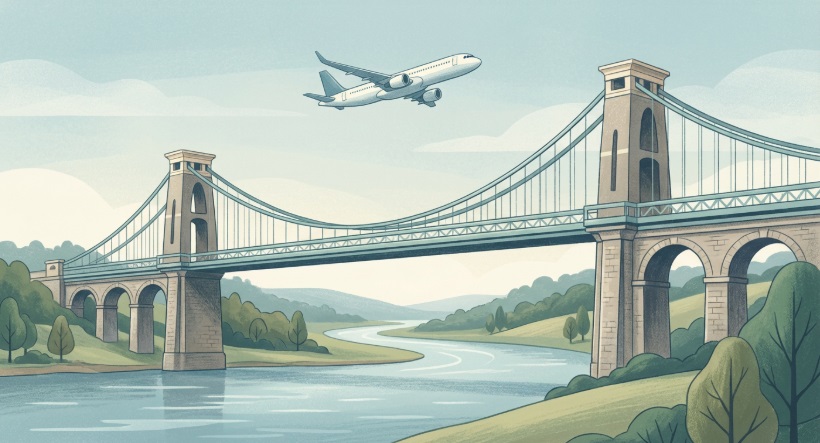
Vous traversez des ponts conçus par des ingénieurs que vous n’avez jamais rencontrés. Vous mangez des plats préparés par des inconnus. Vous comptez sur votre corps pour continuer à respirer pendant que vous dormez.
Tu as déjà décidé que « suffisamment sûr » suffit dans mille situations quotidiennes.
Statistiquement, prendre l'avion est plus sûr que presque toutes les autres options.
La peur ne tient pas au risque en soi. Elle vient du fait de devoir admettre que le contrôle n'a jamais été qu'une illusion.
En bref
Rien n'est sûr à 100 %. Alors pourquoi exigeons-nous une sécurité absolue des avions ?
Professionnels de la psychologie et de la thérapie des traumatismes
Professionnels de l'aviation commerciale
Spécialistes du traitement de la peur de l'avion
L'équipe de spécialistes de phobia.aero fait le lien entre la phobie technique de l'avion et le système nerveux autonome, en s'appuyant sur 31 ans d'expertise dans l'aviation commerciale et 18 ans de thérapie spécialisée dans le traitement des traumatismes. Ayant accompagné plus de 16 000 personnes, elle utilise la théorie polyvagale pour aider chaque passager anxieux à trouver un ancrage dans sa propre physiologie lors de moments de stress intense, comme l'angoisse du décollage. En combinant un traitement clinique de la peur de l'avion avec un accompagnement pratique en vol, l'équipe offre une approche globale qu'aucun pilote ou thérapeute ne peut fournir à lui seul. Qu'elle intervienne en tant que compagnon de vol virtuel ou coach physiologique, elle donne aux passagers les moyens de voyager dans les airs avec une confiance solide et fondée sur des données scientifiques.
Spécialiste en : peur de l'avion, traitement de l'aérophobie, spécialiste de l'anxiété liée aux vols, thérapie contre la peur des turbulences, crises de panique en avion, aviophobie, phobie de l'avion, accompagnement des passagers anxieux, anxiété au décollage, peur de l'atterrissage, traitement de la phobie de l'avion. Traitement fondé sur des données scientifiques utilisant l'approche « Somatic Experiencing », la thérapie EMDR, la régulation polyvagale, la régulation du système nerveux autonome et une prise en charge tenant compte des traumatismes.